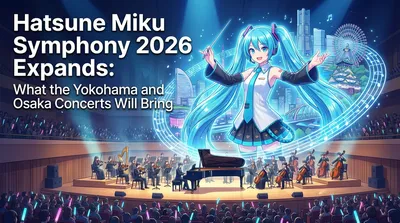
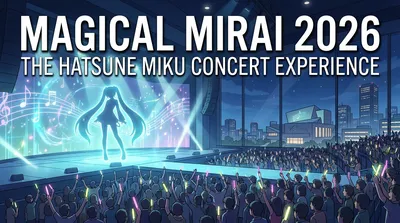
The Hatsune Miku Symphony 2026-2027 tour launched its first performance on October 10, 2026, at Pacifico Yokohama's National Convention Hall, bringing together a full orchestra, the virtual pop star herself, and renowned pianist marasy for a concert experience that blends classical music with cutting-edge holographic technology. If you've been wondering what this tour entails, where it's headed next, and what makes this edition different from previous Miku Symphony performances, we've gathered everything you need to know about the complete lineup, upcoming dates, and what audiences can expect from this unique musical celebration.
The Quick Version

- The tour opened October 10, 2026, at Pacifico Yokohama with the Tokyo Philharmonic Orchestra conducted by Hirofumi Kurita
- Pianist and Vocaloid producer marasy appears as featured guest and composed the tour's theme song "Kaien" ("Opening")
- Three more performances are scheduled: Osaka on January 10, 2027, Yokohama on March 13, 2027, and Tokyo on April 10, 2027
- The concerts combine full orchestral arrangements of Vocaloid music with audience participation segments and live piano performance
- Regular tickets for the Yokohama opening sold out, with restricted-view seats offered at ¥9,900
What the Hatsune Miku Symphony 2026-2027 Tour Actually Is
The Hatsune Miku Symphony series represents one of the most ambitious crossovers between virtual idol culture and classical music performance. These aren't typical pop concerts—they're full symphonic productions where an entire professional orchestra performs specially arranged versions of Vocaloid songs while Hatsune Miku appears on stage as a three-dimensional hologram, interacting with the musicians and audience in real time.
The 2026-2027 edition carries the subtitle "Melodies on the Keys," reflecting its special emphasis on piano performance alongside the orchestral arrangements. This thematic focus on keyboard instruments shapes both the musical selection and the featured guest performers throughout the tour.
What sets this concert series apart from other Miku events is the seriousness with which it approaches the music itself. We're talking about the Tokyo Philharmonic Orchestra—a world-class ensemble—treating Vocaloid compositions with the same artistic care they'd bring to Beethoven or Tchaikovsky. The arrangements reimagine these originally digital songs for a full complement of strings, woodwinds, brass, and percussion, uncovering layers of melody and harmony that might go unnoticed in their synthesized form.
The Yokohama Opening Night: October 10, 2026
The tour's first performance took place at the National Convention Hall at Pacifico Yokohama, with doors opening at 5:00 p.m. and the concert beginning at 6:00 p.m. The venue was transformed into what organizers described as a "theme park of sound," with the cavernous convention space allowing for spectacular visual effects to complement the holographic projection technology that brings Miku to life on stage.
Conductor Hirofumi Kurita led the Tokyo Philharmonic Orchestra through the evening's program, which featured marasy as the special guest pianist. Known both for his virtuosic piano covers of Vocaloid songs and his own compositions featuring virtual singers, marasy brought a unique perspective to the performance—he understands the music from both sides, as both a creator and interpreter. The Suginami Children's Choir also contributed to the Yokohama performance, adding another textural layer to the orchestral sound.
Hatsune Miku herself served as the emcee throughout the evening, a role that goes beyond simply appearing during songs. The virtual performer interacts with the conductor, introduces pieces, and engages with audience participation segments that help create the energetic atmosphere these concerts are known for. The exact nature of these interactive elements varies from performance to performance, but they typically invite the audience to become part of the musical experience rather than passive observers.
The Theme Song and marasy's Role
Central to the 2026-2027 tour is "Kaien" ("Opening"), the theme song composed by marasy featuring Hatsune Miku's vocals. The piece was released ahead of the Yokohama concert with an accompanying music video, giving fans a preview of what to expect from the tour's musical direction. The song's title—which translates to "opening" or "beginning"—signals both its role as the tour's signature piece and its thematic focus on new musical possibilities.
marasy's involvement extends beyond composing the theme. As the featured guest pianist throughout the tour, he performs both his own compositions and arrangements of other Vocaloid classics, bringing the immediacy and expressiveness of live piano performance into dialogue with the orchestral arrangements and holographic presentation. For longtime fans of Vocaloid music, seeing someone who helped shape the scene's musical evolution now performing alongside a professional symphony orchestra represents a significant moment in the genre's journey toward broader artistic recognition.
Complete Tour Schedule and Upcoming Performances
Following the October 10 Yokohama opening, the Hatsune Miku Symphony 2026-2027 tour is scheduled to continue with three additional performances spanning into spring 2027. The next concert is set for January 10, 2027, at the Osaka International Convention Center Main Hall (also known as Grand Cube Osaka), with marasy confirmed as the guest pianist for that performance as well.
The tour then returns to Pacifico Yokohama on March 13, 2027, before concluding at Tokyo Opera City Concert Hall in Shinjuku on April 10, 2027. While the core creative team and overall concept are expected to remain consistent across these dates, specific program details and any potential variations for the later performances haven't been fully confirmed yet.
This geographic spread—hitting major cities across Japan's main island—reflects the broad appeal of both Hatsune Miku as a cultural phenomenon and symphonic music as an art form. Each venue brings its own acoustic character to the performance, and the concerts are tailored to work within the specific technical capabilities and layouts of these different spaces.
Ticket Demand and Availability
The strong ticket demand for the Yokohama opening demonstrates the sustained enthusiasm for these hybrid classical-virtual performances. All regular ticket categories sold out ahead of the October 10 concert, prompting organizers to offer restricted-view S seats through Lawson Ticket starting September 30, 2026, at 6:00 p.m. These seats, priced at ¥9,900, were positioned at the front sides of the first floor, offering a view of the performance despite some visual limitations.
For those interested in attending the remaining tour dates, checking official ticketing channels early is advisable. The pattern of the Yokohama sellout suggests that demand will likely remain high, particularly for the Tokyo finale at Opera City Concert Hall, which is a smaller, more acoustically refined venue than the convention center spaces used for the other performances.
What Makes This Different From Other Virtual Concerts
We've seen virtual performers in concert settings before, from holographic resurrections of deceased artists to entirely digital pop stars performing alongside recorded tracks. What distinguishes the Hatsune Miku Symphony series is the integration of live, world-class musical performance with the virtual presentation. The Tokyo Philharmonic isn't playing along to a backing track—they're performing fully realized orchestral arrangements that stand as legitimate musical works in their own right.
This approach respects both sides of the equation. The orchestral musicians aren't simply providing "legitimacy" to virtual idol culture, and Hatsune Miku isn't just a gimmick to make classical music "cool" for younger audiences. Instead, the concerts create a space where both art forms can showcase their strengths: the expressive depth and textural richness that only live acoustic instruments can provide, combined with the visual spectacle and creative freedom that holographic technology enables.
The audience participation elements add another dimension that pure classical concerts typically don't include. While we don't have detailed descriptions of every interactive segment from the Yokohama performance, these moments help break down the traditional barrier between performer and audience, creating an atmosphere that's simultaneously reverent toward the music and joyfully celebratory of the Vocaloid culture that inspired it.
What People Are Saying
Several attendees from the October 10 Yokohama performance described the concert hall atmosphere as electric, with one concertgoer noting how surreal it felt to hear Vocaloid songs they'd listened to countless times through headphones suddenly brought to life by dozens of live musicians filling the space with sound.
marasy's fans expressed particular excitement about seeing him perform in this context, with many commenting that his deep understanding of both classical piano technique and Vocaloid composition made him the perfect bridge between the two worlds the concert inhabits.
Long-time Hatsune Miku fans reflected on how far the character and the surrounding musical culture have come since her 2007 debut, with the symphony tour representing a level of mainstream artistic legitimacy that seemed impossible in the early days when Vocaloid music was still a niche internet phenomenon.
Classical music enthusiasts who attended out of curiosity about the format generally came away impressed by the quality of the orchestral arrangements and the Tokyo Philharmonic's committed performance, noting that the concerts treat the source material with genuine artistic seriousness rather than condescension.
Frequently Asked Questions
Where can I get tickets for the remaining Hatsune Miku Symphony performances?
Ticketing details for the January, March, and April 2027 performances haven't been fully announced in available sources. We recommend checking official Hatsune Miku Symphony channels and major Japanese ticketing platforms like Lawson Ticket for updates as they become available. Given that the Yokohama opening sold out, purchasing tickets as soon as they're released will likely be important.
Will there be international performances or streaming options?
The current tour schedule covers only Japanese venues, and streaming availability hasn't been confirmed. Previous Hatsune Miku Symphony concerts have occasionally been recorded for later release, but it's unclear whether this will happen for the 2026-2027 tour. International fans should watch official announcements for any news about remote viewing options or potential future tour dates outside Japan.
What songs are performed at these concerts?
Specific setlists haven't been published, but Hatsune Miku Symphony concerts typically feature orchestral arrangements of popular Vocaloid songs from various composers, along with the tour's theme song—in this case, "Kaien" by marasy. The "Melodies on the Keys" subtitle suggests a focus on songs that feature or translate well to piano-centered arrangements. The exact program may vary slightly between tour dates.
How does the holographic Miku technology work in these concerts?
While the exact technical specifications aren't publicly detailed, these performances use advanced projection technology to create a three-dimensional image of Hatsune Miku on stage that can appear to interact with the live musicians and move around the performance space. The effect requires specific stage setups and is carefully choreographed to sync with the live orchestral performance.
Do I need to be a Hatsune Miku fan to enjoy these concerts?
Not necessarily. While familiarity with Vocaloid music certainly enhances the experience, the concerts are designed to work as legitimate symphonic performances that can be appreciated purely for their musical quality. Many attendees come from classical music backgrounds and enjoy discovering how these digital-origin songs translate to orchestral arrangements, even without previous knowledge of the Vocaloid scene.
Looking Ahead to the 2027 Performances
The successful Yokohama opening on October 10, 2026, sets a strong foundation for the tour's continuation into 2027. With marasy confirmed for the January 10 Osaka performance and the tour scheduled to wrap up at Tokyo Opera City Concert Hall on April 10, we're looking at nearly six months of opportunities to experience this unique fusion of classical and virtual performance art across Japan.
Each venue will bring its own character to the experience—the Osaka International Convention Center's grand scale, the return engagement at Pacifico Yokohama, and finally the more intimate, acoustically sophisticated Tokyo Opera City Concert Hall for the tour's conclusion. For fans of Hatsune Miku, orchestral music, or innovative performance art in general, these concerts represent something genuinely special: a demonstration that the boundaries between "legitimate" classical music and internet-born digital culture are far more permeable than traditional gatekeepers might have once believed.
As the tour progresses through its remaining dates, we'll likely see continued refinement of the interactive elements, possible variations in the program to keep things fresh for repeat attendees, and hopefully broader documentation of what makes these performances work so well. The combination of technological spectacle, musical substance, and genuine artistic collaboration creates an experience that neither a traditional orchestra concert nor a standard virtual idol show could achieve on its own.