A photo feature published on August 23, 2026, highlighting ten exceptional cosplayers from Comiket has captured the attention of fans worldwide, showcasing the incredible diversity and craftsmanship that defines one of the world's largest fan conventions. The collection spans beloved franchises from VTuber talent agencies like Hololive and Vspo!, popular mobile games including Victory Goddess: NIKKE, and enduring icons like Hatsune Miku, offering a snapshot of what's currently captivating the cosplay community.
For those of us who follow cosplay culture or simply appreciate the artistry involved, these selections tell us something important: they reveal which characters are resonating most strongly with creators right now, and they showcase the extraordinary skill that cosplayers bring to their craft.
The Quick Version

- The feature highlights ten cosplayers across 43 photographs from a recent Comiket event
- Characters span VTuber talents (Hololive's Oozora Subaru, Vspo!'s Shiraha Ramune), mobile games (NIKKE's Cinderella), and classic virtual idols (bunny-style Hatsune Miku)
- The selection represents popular games, anime, and VTuber-inspired cosplay
- Published on August 23, 2026, the gallery captures the current trends in Japanese cosplay culture
What This Cosplay Selection Reveals About Current Fan Culture
The featured cosplayers represent something we've been seeing increasingly at major conventions: the blurring of traditional boundaries between different types of fan communities. VTuber characters now stand shoulder-to-shoulder with classic video game franchises and anime mainstays, reflecting how digital entertainment has reshaped what we celebrate in cosplay.
Hololive's Oozora Subaru stands out as one of the highlighted characters, and this makes perfect sense when we consider the explosive growth of VTuber culture. Subaru, known for her energetic personality and duck-themed branding, has become one of Hololive Production's most recognizable talents. Seeing cosplayers bring virtual entertainers to life demonstrates how these digital personalities have achieved the same cultural weight as traditional anime characters—they inspire the same level of dedication and creativity.
The inclusion of Victory Goddess: NIKKE's Cinderella reflects the mobile gaming industry's growing influence on cosplay culture. NIKKE, with its distinctive character designs and sci-fi aesthetic, has carved out a dedicated fanbase since its release. Cinderella's design in particular—blending fairy tale elements with futuristic military styling—offers cosplayers an opportunity to showcase both sewing skills and prop-making abilities.
Why VTuber Cosplay Has Become a Convention Staple
We've watched VTuber cosplay evolve from a niche curiosity to a major presence at events like Comiket, and it's worth understanding why this shift matters. When someone cosplays as Oozora Subaru or Shiraha Ramune (from Vspo!), they're not just recreating a character design—they're paying tribute to real entertainers who stream regularly, interact with fans, and build genuine communities. This adds an extra dimension to the cosplay that differs from portraying a purely fictional character.
The challenge for VTuber cosplayers lies in capturing not just the visual design but the personality and energy that makes each VTuber distinctive. Subaru's athletic, tomboyish charm or Ramune's competitive gaming persona become part of what makes the cosplay recognizable and successful. This requires cosplayers to study their subjects beyond just reference images—they need to understand mannerisms, catchphrases, and the essence of the personality they're embodying.
The Enduring Appeal of Hatsune Miku
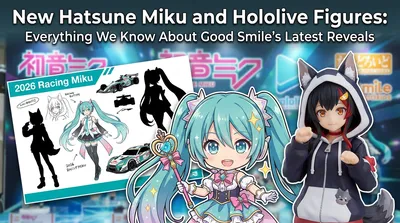
The feature's inclusion of a bunny-style Hatsune Miku reminds us why some characters achieve true icon status. Miku, the Vocaloid virtual singer who debuted in 2007, has been a cosplay staple for nearly two decades now, yet she continues to inspire fresh interpretations. The bunny variant mentioned likely references one of Miku's many alternate outfits—the character has accumulated hundreds of official and fan-created designs over the years, giving cosplayers endless variation to choose from.
What makes Miku particularly appealing for cosplay is this very flexibility. Unlike characters bound to a specific narrative or appearance, Miku exists as a canvas that both official designers and fans continuously reimagine. We see everything from her classic teal twintails and tie to elaborate fantasy versions, racing outfits, seasonal variations, and creative crossovers. This openness to interpretation means Miku cosplay never quite goes out of style—there's always a new version to attempt.
Understanding Comiket's Role in Cosplay Culture
For those less familiar with Japanese fan conventions, understanding Comiket's significance helps explain why a cosplay selection from this event carries particular weight. Comiket (Comic Market) is the world's largest self-published comic book fair, held twice yearly in Tokyo and attracting hundreds of thousands of attendees. While the event's primary focus is doujinshi (self-published works), cosplay has become an integral part of the experience.
Comiket cosplay differs somewhat from Western convention cosplay culture. The event provides dedicated cosplay areas and changing facilities, and there's a well-established etiquette around photography—cosplayers and photographers both understand the unspoken rules about asking permission, posing locations, and respecting boundaries. The sheer scale of Comiket means that cosplayers bring their absolute best work, knowing they'll be seen by fellow enthusiasts who deeply appreciate the craft.
When a media outlet highlights specific cosplayers from Comiket, they're essentially curating from thousands of attendees to showcase what stood out even in that exceptionally talented crowd. This context makes these selections particularly noteworthy—these aren't just good cosplays; they're cosplays that excelled in one of the world's most competitive environments for the craft.
The Craft Behind Character Accuracy
What separates featured cosplay from the broader convention floor often comes down to attention to detail and construction quality. Mobile game characters like NIKKE's Cinderella present specific technical challenges—these designs often feature complex armor elements, unusual materials, and proportions that need to be adapted from 2D art to three-dimensional reality. Cosplayers working with these characters typically need skills in thermoplastics (like Worbla or EVA foam), painting and weathering techniques, wig styling, and sometimes electronics for LED elements.
VTuber cosplays present their own unique challenges. These characters were designed for digital rendering, which means their proportions, color schemes, and details are optimized for screens rather than physical reality. Translating those designs into wearable costumes requires interpretation—deciding which details to emphasize, how to construct elements that work in three dimensions, and how to capture the character's vibe while making compromises for comfort and practicality.
What People Are Saying
The variety in this selection really shows how diverse cosplay has become. We're celebrating mobile game waifus alongside classic Vocaloids and it all just works together. That's the beauty of events like Comiket—every fandom gets represented.
VTuber cosplay has really come into its own over the past few years. Seeing Hololive and Vspo! characters getting the same spotlight as established franchises feels like validation for how much these streamers mean to their communities. The craftsmanship in bringing these digital personalities to life is genuinely impressive.
I love that Hatsune Miku is still showing up in these highlights almost twenty years after her debut. Some characters just have that timeless quality, and cosplayers keep finding new ways to reinterpret her. The bunny variant sounds adorable—I hope we get to see more photos from the full collection.
NIKKE has such distinctive character designs that translate really well to cosplay. Cinderella's look in particular has those fairy tale elements mixed with sci-fi armor that must be incredibly satisfying to build. You can really showcase both sewing skills and prop-making in one costume.
Frequently Asked Questions
When did this Comiket event take place?
The cosplay photographs were published on August 23, 2026, featuring cosplayers from a recent Comiket event. Comiket typically runs twice annually in Tokyo, though the exact dates of this particular event aren't specified in the coverage.
How many cosplayers and photos are included in this feature?
The selection highlights ten individual cosplayers across 43 photographs, giving multiple shots of each featured costume to showcase different angles and details of the craftsmanship.
What types of characters are featured in this cosplay selection?
The selection spans VTuber characters from agencies like Hololive and Vspo!, mobile game characters from titles like Victory Goddess: NIKKE, and classic virtual idols like Hatsune Miku. The variety represents the current breadth of fan interests in Japanese pop culture.
Is VTuber cosplay common at conventions now?
Yes, VTuber cosplay has become increasingly common at major conventions, particularly in Japan. As VTuber culture has grown over the past several years, cosplayers have embraced these characters alongside traditional anime and game franchises, and they now regularly appear in featured cosplay galleries.
Why do some characters like Hatsune Miku remain popular for cosplay after so many years?
Characters like Hatsune Miku maintain popularity partly because they exist in multiple official variations and interpretations, giving cosplayers fresh designs to attempt even decades after the character's debut. Miku's openness to reinterpretation—with hundreds of outfit variations—means there's always something new to create rather than repeatedly making the same canonical look.
The Broader Picture of Convention Cosplay
Features like this cosplay selection serve an important purpose beyond simply showcasing beautiful costumes. They document what's capturing the imagination of creative fans at a particular moment in time. Looking back at cosplay highlights from past years reveals shifting trends—which franchises were ascendant, which aesthetics dominated, and how construction techniques evolved as new materials and methods became accessible.
The mix we see in this particular selection—established franchises alongside newer properties, traditional anime alongside VTubers and mobile games—reflects the current ecosystem of Japanese pop culture fandom. We're in an era where digital and traditional media coexist, where virtual entertainers command the same devotion as animated characters, and where mobile games generate designs as iconic as long-running manga series. Cosplay serves as a visible, wearable record of these cultural currents.
For aspiring cosplayers, features like this offer both inspiration and a benchmark for quality. Seeing what stands out at major events like Comiket can inform decisions about construction methods, detail work, and presentation. And for fans who simply appreciate the artistry involved, these selections provide a curated window into the remarkable skill and dedication that the cosplay community brings to celebrating the characters and personalities we love.